The First Real Move
Rockstar Games operates on a different frequency than every other developer in the industry. While most publishers spend years hammering fans with trailers, developer diaries, and endless hype cycles, Rockstar goes dark. They drop a single teaser, break the internet, and then vanish for a year. Fans are left staring at blank screens, analyzing every pixel of a two minute trailer, and turning random background NPCs into internet celebrities. It is a grueling cycle, but it works because the silence builds an almost unbearable level of anticipation.
That silence just cracked. The marketing machine for Grand Theft Auto 6 is finally spinning up, and it started in the most unexpected place possible. It did not happen on a gaming showcase, a YouTube direct, or a tech conference. It happened during a high profile NBA game. Sharp eyed basketball fans and gaming sleuths noticed subtle, unmistakably deliberate design choices bleeding into the broadcast graphics and arena branding. Rockstar is taking the Vice City aesthetic into the physical world, and this crossover tells us a lot about how they plan to sell the most expensive entertainment product in human history.
For years, the playbook for selling a blockbuster game relied heavily on digital spaces. You buy ad space on Twitch, you sponsor prominent streamers, and you dominate Twitter trends with hashtags. Rockstar certainly knows how to use those digital levers, but they have always preferred a broader cultural footprint. They want Grand Theft Auto to feel like an inevitability. They want it to feel like something happening in the real world, completely detached from the typical enthusiast gaming bubble. By targeting a massive, mainstream sports audience, they are skipping the choir and preaching to the entire secular world.
Spotting the Signs in the Arena
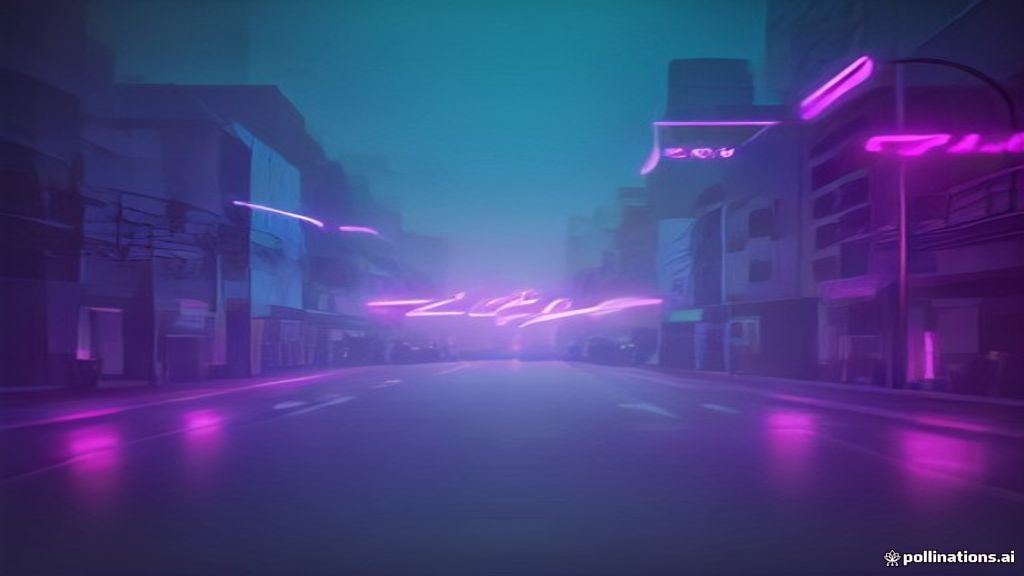
The crossover did not arrive with a booming voiceover or an obvious logo splash. That would be too pedestrian for a studio obsessed with cool detachment. Instead, the rollout happened through aesthetic poisoning. During a major nationally televised game, the broadcast package subtly shifted. The signature color grading of the scoreboard graphics tilted heavily toward the hot pinks and electric cyans of the fictionalized Miami we saw in the first trailer. Arena LED boards flashed typography that mirrored the distinct branding of the upcoming title.
People at home immediately started capturing clips and sharing them on social media. Was it an official partnership or just a clever agency matching the current trend? Within hours, industry insiders started leaking details. This was a paid, calculated placement orchestrated by Rockstar. They bought real estate inside the physical and digital boundaries of America's premier basketball league. It is a brilliant move because sports fans and gamers share a massive overlap, but more importantly, sports broadcasts reach millions of casual viewers who might never watch a dedicated video game presentation.
Think about how standard game marketing works. If you do not actively seek out gaming news, you can easily miss the launch of a massive title until you see a poster on the side of a bus. Rockstar wants to bypass that entirely. They want the cultural aesthetic of Vice City to saturate popular culture months before the actual software lands on our consoles. When you tie the neon soaked look of the game to the raw energy of professional sports, you position the product not just as a piece of interactive software, but as a lifestyle brand. It feels expensive, exclusive, and undeniably cool.
Why Sports Crossovers Work for Rockstar
Video game companies have tried to break into sports culture before with varying degrees of success. Usually, it involves putting a generic character skin into a battle royale or slapping a branded logo on a racing car. Those efforts often feel desperate, like an out of touch marketing executive trying to appeal to the youth. Rockstar approaches things differently because they rarely treat their games as mere products. They treat them as cultural events.
The NBA is currently the most culturally relevant sports league in North America when it comes to fashion, music, and general lifestyle clout. Players walk into arenas wearing high fashion, and their tunnel walks generate just as much discussion as the games themselves. By inserting the visual language of Vice City into this specific ecosystem, Rockstar is tapping directly into that cultural bloodstream. They are associating their fictional criminal playground with the people who currently dictate what is cool in the real world.
This strategy also creates a fascinating disconnect from traditional gaming marketing. You did not see a press release explaining the partnership. There was no blog post on the official Rockstar Newswire detailing a multi tiered promotional schedule. The company let the visuals do the heavy lifting. They dropped the imagery into the wild and let the internet figure it out. That lack of spoon feeding is precisely what makes the community obsessive. When fans have to connect the dots themselves, they feel like detectives rather than consumers. They take ownership of the marketing and spread it for free across every available platform.
The Long Tail of Anticipation
We still have a long way to go before we actually get our hands on the game. The current release window sits comfortably in the future, and even with the NBA tie in, we should expect more periods of absolute silence from the studio. Rockstar knows how to pace themselves. They understand that if you keep the fire burning too hot for too long, people eventually get burned out. By starting the physical marketing push now with subtle, high end placements, they are establishing a slow burn rather than a sudden explosion.
This approach changes how we consume news about the game. Instead of waiting for a developer to hand us a new trailer, we are suddenly scanning every live broadcast for hidden clues. Did that courtside LED board just use the specific shade of pink from the Lucia posters? Is that musician walking into the arena wearing unannounced merchandise tied to the fictional in game brands? This level of paranoia and excitement is unique to the Grand Theft Auto ecosystem. No other franchise commands this level of forensic analysis from its audience.
It also sets a high bar for whatever comes next. If the physical marketing kicks off with subtle sports integrations, the eventual full scale rollout is going to be massive. We will likely see fictional in world brands popping up in unexpected places. Think of real world energy drinks that mirror the cheap sodas parodied in the game, or faux fashion collaborations that blur the line between satire and actual consumer goods. Rockstar has always loved blurring the boundaries between their satirical version of America and the actual world we live in. Bringing that philosophy into a live NBA broadcast feels like a natural evolution of their traditional marketing playbook.
Deconstructing the Aesthetic
To understand why this NBA integration works so well, we have to look closely at what Vice City actually represents in the cultural consciousness. The original 2002 game captured a specific, neon drenched nostalgia for the nineteen eighties, heavily influenced by Miami Vice and Scarface. It was bright, vibrant, and dripping with stylistic excess. When Rockstar finally returned to the setting with the first official trailer for the new game, they updated that aesthetic for the modern era. The new Vice City is not just about pastel suits and classic rock anymore. It is about social media saturation, hyper-stylized influencer culture, and the garish excess of modern Florida.
That modern Florida energy maps remarkably well onto modern professional sports culture. The tunnels of NBA arenas are essentially runways for athletes who love bold colors, loud patterns, and unapologetic luxury. By sliding the game's specific shade of neon pink and teal into the broadcast, Rockstar is effectively framing the players themselves as residents of Vice City. It is a subtle visual trick, but it is deeply effective. It tells the audience that the world of the game is not some dusty, quarantined virtual space. It is an extension of the high rolling, flashy reality that sports fans already celebrate every single week.
This aesthetic dominance is something Rockstar has mastered over decades. Think about the iconic loading screens and minimalist art style that defined the rollout of previous entries. They do not need to show you hours of gameplay to make you want to inhabit their worlds. They just need to give you a color palette, a font, and a vague sense of attitude. Once those elements take root in your brain, your imagination fills in the rest. You start picturing the radio stations, the vehicles, and the chaotic open world sandbox long before you have seen a single unscripted minute of actual player movement.
The Silence Between the Beats
The most remarkable part of this entire situation is how little information we actually have, contrasted against how much noise the community is making. A few visual nods during a basketball game are enough to launch a thousand video essays and Reddit deep dives. In any other industry, this level of radio silence would kill momentum. Publishers usually panic if their game is not dominating the conversation with a new gameplay deep dive or a developer interview every single month. They worry that consumers will forget about the product and spend their money elsewhere.
Rockstar operates under completely different rules because they know they are the only game in town when it comes to this specific scale of open world design. They do not need to constantly remind you that they exist because the cultural footprint of their previous release is still massive. People are still playing the previous game daily, discovering minor details a decade after launch, and treating it as a living digital ecosystem. Because the foundation is so strong, a simple whisper from the marketing department carries the weight of a thunderclap.
This confidence allows them to dictate the terms of the conversation. They do not chase trends. They let trends come to them. When the sports crossover happened, the internet did not complain that it was just a marketing stunt. Fans treated it like an event. They dissected the frame rates of the broadcast graphics and debated whether the font kerning matched the official title treatment. Rockstar has trained its audience to be hyper-vigilant culture watchers, which means the marketing does not even need to feel like marketing anymore. It feels like an ARG where the prize is just knowing a little bit more about a fictional city.
What This Means for the Rest of the Industry
Other publishers are likely watching this unfold with a mix of jealousy and exhaustion. The standard marketing playbook for a triple A game is bloated, expensive, and increasingly ineffective. Cinematic trailers that look nothing like the final product no longer fool cynical players. Extended gameplay walkthroughs often generate more criticism than excitement because of visual downgrades or scripted rigidity. Consumers are tired of being shouted at by corporate PR teams who treat every release like the second coming of Christ.
Rockstar sidesteps all of that fatigue by leaning into mystery and cultural osmosis. By placing their brand inside a live sports broadcast without screaming about it, they treat the consumer with a level of respect that is rare in modern entertainment. They assume you are smart enough to recognize the visual cues, and they trust that you will do the heavy lifting of spreading the word. It is an elite marketing strategy that only works if your product can actually back up the generated hype when it finally arrives.
Smaller developers cannot replicate this approach because they lack the sheer cultural weight and financial backing to sustain years of total silence. You need a massive, captive audience that is already primed to obsess over your every move. But for the behemoths at the top of the food chain, the Rockstar blueprint is becoming the gold standard for how to manage anticipation in an era where consumers are drowning in constant media noise. Stop shouting. Start whispering. Let the audience do the work for you.
The Road Ahead for Vice City
As we look toward the eventual launch, we can expect more of these stealth cultural insertions. Rockstar will not follow a predictable path. They will not drop a standard road map or do the typical circuit of summer gaming showcases where executives awkwardly read lines off a teleprompter. Instead, expect more weird, ambient marketing that blurs the line between their fictional world and our own. We might see strange billboards appearing in unexpected cities, or mysterious digital transmissions that require the community to crack complex codes together.
This style of rollout makes the wait actually fun, or at least as fun as waiting for a video game can possibly be. It turns the anticipation into a communal experience rather than a lonely chore. When you see a sports broadcast adopt the visual language of Vice City, you know you are part of a massive, global collective that is all looking at the exact same puzzle. You text your friends, you check online forums, and for a brief moment, the real world feels a little bit more like a Rockstar sandbox.
When the game finally launches, the hype will have reached a boiling point that few other entertainment properties could ever hope to achieve. The NBA tie in is just the first domino to fall. It proves that Rockstar is ready to start nudging the culture back in their direction, reminding everyone who actually owns the cultural conversation when it comes to open world chaos. Until the next piece of the puzzle drops, the community will keep dissecting every basketball game, every neon sign, and every stray pixel in search of the next clue. That is exactly how Rockstar wants it.
Final Thoughts

The gaming landscape moves fast, and publishers usually panic to keep our attention, but Rockstar refuses to play that desperate game. By using a live sports broadcast to quietly inject the aesthetic of Vice City into the real world, they reminded everyone how effortless high tier marketing can look when you actually understand culture. They did not need a loud press release or a fake gameplay demo. They just changed the colors, trusted their audience to notice, and let the internet do the rest.
The Psychology of the Digital Slum
Rockstar builds worlds that feel lived in because they spend an absurd amount of time on the garbage. While other studios obsess over ray traced hair follicles and photorealistic mud, Rockstar focuses on the texture of a discarded soda cup tumbling down a dirty alleyway in downtown Los Santos. That same obsessive attention to detail now applies to how they drip feed their marketing. They treat the real world like one of their own background environments. When you spot a suspiciously familiar shade of neon pink during a Sunday afternoon basketball game, it triggers the exact same neurological response as finding a hidden weapon stash behind a dumpster in a twenty year old save file.
This is not an accident. The studio employs people who understand how human beings actually interact with urban spaces. They know that we do not take in our environments through giant billboards that shout at us to buy a specific product. We absorb culture through peripheral vision. We notice the graffiti on the subway car, the specific font used on a bodega sign, and the color of the cabs idling at a red light. By injecting Vice City elements into a real broadcast without a single explanatory caption, they are hacking our peripheral vision. You register the vibe before your brain even has time to process the corporate strategy behind it.
Most modern game marketing treats the player like a passive consumer waiting to be fed a trailer. Rockstar treats the player like an investigative journalist who stumbled onto a conspiracy. That shift in perspective changes everything. When you feel like you discovered a secret rather than being targeted by an ad, your defenses drop immediately. You stop rolling your eyes at corporate synergy and start texting your group chat with screenshots. The genius of the NBA stunt lies entirely in this psychological sleight of hand. They made a multi million dollar promotional buy feel like an inside joke shared exclusively among people who care about the details.
The Sound Design of Silence
We talk endlessly about the visual language of these games, but we often forget how crucial audio is to the Rockstar identity. The radio stations have always been the beating heart of Grand Theft Auto. They are cultural touchstones that define eras, whether you were cruising through the fictional forests of Blaine County listening to country music or dodging rival gangs in San Andreas to the tune of West Coast hip hop. As the marketing machine trickles out into the physical world, the audio landscape is bound to shift just as subtly as the visuals did on the television screen.
Imagine walking through a real world metropolis next year and hearing a familiar jingle or a subtle sonic sting playing inside a retail space or an elevator. Rockstar does not even need to drop a licensed track from the upcoming soundtrack. They can use ambient soundscapes, fake commercial snippets, and audio cues that mirror the satirical tone of their fictional radio stations. Audio branding is notoriously underutilized in the gaming industry because most publishers stick to generic orchestral swells that sound like every other Marvel movie trailer. Rockstar understands that music and sound design evoke specific memories and longings.
If they manage to weave their fictional audio identity into real world spaces, the immersion will reach levels we have never seen before. Picture sitting in a ride share and hearing a parody commercial for an in game insurance company or a bizarre prescription drug play out on a Spotify ad break that blends seamlessly into the background. It sounds dystopian because it is, but Rockstar has made a fortune by turning America's hyper-capitalist dystopia into an interactive amusement park. Bringing that audio satire out into the streets is the logical next step for a franchise that has always used parody as a mirror for society.
The Economics of Absolute Monopoly
It is easy to look at these clever marketing maneuvers and assume every studio should just copy the playbook. The uncomfortable truth is that almost no one else can afford to do it. Rockstar operates from a position of absolute financial and cultural monopoly. When Grand Theft Auto V launched, it generated a billion dollars in three days. It went on to become the most profitable entertainment product of all time, printing money across three console generations through sheer staying power.
Because the parent company, Take-Two Interactive, sits on a bottomless pile of cash generated by shark cards and steady digital sales, Rockstar has the ultimate luxury. They have time. They have the financial runway to spend a year doing basically nothing while the internet hyperventilates over a single trailer. A mid-sized publisher would go bankrupt if their development cycle stretched this long without a steady stream of monetization or constant hype generation to keep investors happy. Rockstar answers to a higher power, which is the patient worship of millions of players who expect perfection because they have never been given a reason to expect anything less.
This financial security allows them to treat marketing as an art form rather than a frantic emergency response. When you are not worried about your quarterly earnings report crashing because your latest live service shooter failed to hold a concurrent player base, you can afford to be subtle. You can afford to buy ad space during an NBA game just to flash a neon color palette and then disappear for six months. The industry at large looks at this and shakes their head, knowing full well they are trapped in a hamster wheel of forced engagement while Rockstar sits on the throne eating popcorn.
The Evolution of the Open World Genre
Every time a new Rockstar game drops, it fundamentally alters the trajectory of open world game design. Other developers spend the next five years copying the mechanics, the UI layouts, and the narrative pacing. We saw it happen with the cinematic storytelling of Red Dead Redemption, and we saw it happen with the systemic chaos of the early Grand Theft Auto titles. But the influence of these games goes far beyond code and mechanics. It bleeds into how we perceive virtual spaces and how we expect digital worlds to interact with our reality.
The current trend of transmedia storytelling, where a video game spills over into television shows, comic books, and toy lines, often feels messy and overstuffed. Studios try to build cinematic universes before anyone actually cares about the characters. Rockstar avoids this trap by keeping everything laser-focused on the core product while letting the cultural bleed happen organically. They do not need a prestige streaming series to explain the lore of Vice City. They just need the aesthetic to feel so cool, dangerous, and desirable that real world brands and cultural tastemakers practically trip over themselves to be associated with it, even if they do not fully realize they are being used as pawns in a grand marketing scheme.
This approach suggests a different future for how massive entertainment franchises will command our attention in the coming decades. Instead of bombarding us with content, the smartest creators will curate scarcity. They will make their presence felt through mood, tone, and cultural saturation rather than endless press releases and developer roundtables. If the rest of the industry learns anything from this current rollout, hopefully it is that treating your audience like intelligent participants rather than mindless consumers pays off in the long run.
Why the Leak Culture Feeds the Beast
You cannot talk about modern Rockstar marketing without addressing the elephant in the room, which is the relentless torrent of leaks, hacks, and rumors that perpetually plague the studio. No other developer deals with such high-profile breaches of security. Years before the official trailer ever dropped, massive chunks of early development footage leaked onto forums, exposing unfinished mechanics, placeholder animations, and early map designs. In a normal corporate environment, a leak of that magnitude would trigger a massive PR crisis and a defensive corporate retreat.
Rockstar handled it the only way they know how, which was through stoic, unyielding silence. They released a brief statement acknowledging the breach, reassured their fans that development would continue without interruption, and then went right back to the shadows. Remarkably, the leaks did not kill the anticipation. If anything, they poured gasoline on the fire. Fans spent months breaking down every blurry pixel of unfinished code just like they break down the neon signs in an NBA arena. The community has an almost supernatural ability to turn negative disruptions into fuel for the hype engine.
This resilience proves that the brand is practically bulletproof. The audience is so emotionally invested in the return to Vice City that minor setbacks and catastrophic leaks alike are absorbed into the overarching mythology of the game's troubled birth. When the official marketing eventually does step into the light, it does not matter what happened behind the scenes or what unauthorized footage made its way onto the internet weeks prior. Rockstar dictates the official narrative the moment they decide to show their hand, washing away all the digital noise with a single stroke of artistic authority.
The Social Media Panopticon
We live in an era where every single person carries a high-definition recording device in their pocket at all times, turning the entire planet into a massive, interconnected surveillance state of our own making. Rockstar knows how to weaponize this panopticon against us. They do not need to hire an army of influencers to unbox PR packages on TikTok because the fans are already doing that unpaid labor for them in every arena, street corner, and social media feed across the globe.
When a sharp-eyed teenager in the nosebleed section of a basketball game spots a weird font on the digital scoreboard, they whip out their phone, record a ten-second vertical video, and post it to TikTok with a trending audio track. Within minutes, that clip is pulled, analyzed, re-uploaded, and dissected by twenty different YouTube video essayists who make a living out of milking every drop of potential news. It is a self-sustaining ecosystem of hype that requires almost zero ongoing maintenance from the publisher once the initial seed is planted in the wild.
This is the ultimate evolution of viral marketing. It is not viral because a corporate marketing team paid a middleman to artificially juice the algorithm. It is viral because the audience is genuinely obsessed with decoding the secrets of a digital playground that has defined their gaming lives for over a decade. By maintaining total control over their image and doling out information with extreme, calculated parsimony, Rockstar turns the entire internet into their marketing department. We are all unwitting employees working the night shift at the Vice City promotional office, and we are paying for the privilege of doing the work.
The Wait Continues
So we wait. We check our feeds, we analyze random background details in live broadcasts, and we argue on forums about whether a certain shade of pink means a 2025 release date or a delayed schedule. The silence will return because Rockstar always goes back to the dark once they have made their point. They planted their flag in the physical world of professional sports, proved they still own the cultural conversation, and left us all staring at the empty canvas wondering what they are going to paint next.
That is the magic trick. They make you crave the very thing they are withholding from you. While every other publisher screams for your attention with flashy discounts, battle passes, and endless roadmaps, Rockstar sits quietly in the corner, knowing full well that when they finally decide to speak, the entire world will stop what they are doing to listen. Until that day arrives, every neon light in every arena looks a little bit suspicious, and every late-night broadcast feels like it might just be hiding another piece of the puzzle.